

Introduction
The question of whether or not Trump should get the Nobel Peace Prize is still one of the most talked-about issues in modern politics and diplomacy. For years, people who liked and didn’t like former U.S. President Donald J. Trump have had heated debates about whether he deserved a Nobel Peace Prize. This interview covers a lot of ground, including global peace efforts, diplomatic breakthroughs, domestic politics, and the complicated criteria the Nobel Committee uses to choose its greatest accolades.
The Nobel Peace Prize is one of the most important international honors. It is given to people who have “done the most or the best work for fraternity between nations, for the abolition or reduction of standing armies, and for the holding and promotion of peace congresses.” Laureates have included world leaders, activists, organizations, and others who work for humanitarian causes throughout history. When people talk about the Trump Nobel Peace Prize, they are generally talking about far deeper issues about what peace means in a world that is broken right now.
This article goes into detail about where the Trump Nobel Peace Prize conversation came from, the specific accomplishments that supporters point to, the criticisms that opponents make, and how this debate fits into the larger legacies of both Donald Trump and the Nobel Prize itself. We want to give a full, balanced, and nuanced view of this amazing topic by looking at historical examples, political processes, and diplomatic accomplishments.
The Nobel Peace Prize: Where It Came From and What It Does
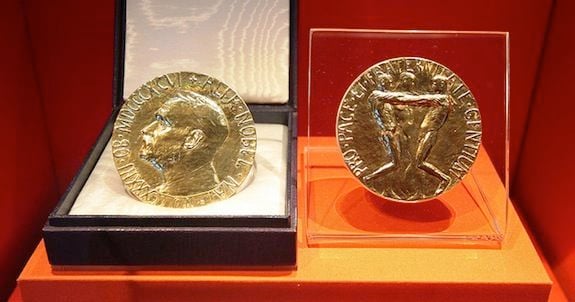
To comprehend the compelling nature of the Trump Nobel Peace Prize discourse, it is essential to analyze the underlying principles of the Nobel Peace Prize. Alfred Nobel set up the Peace Prize in 1895 to honor people who have made important contributions to peace and humanitarian work around the world. The Peace Prize is different from other prizes that Alfred Nobel gave since it is given out by a committee chosen by the Norwegian Parliament. This shows Norway’s long history of being neutral.
The Nobel Peace Prize has been given to a wide range of people over the years, including those who seek to end wars, protect human rights, and get rid of nuclear weapons, as well as groups that help people who have been harmed by war. To put it simply, the Peace Prize rewards activities that encourage understanding, working together, and protecting human dignity across boundaries.
When looking at calls for the Trump Nobel Peace Prize, it’s crucial to note that the committee looks at more than just short-term diplomatic gestures. They also look at long-term efforts to reduce conflict and promote lasting peace.
The Trump Administration and Efforts for Peace
Donald Trump’s foreign policy got a lot of strong reactions, both good and bad, when he was in office. Some of the things his government did were seen as viable reasons for the Trump Nobel Peace Prize, while others were seen as not meeting the usual standards for recognizing peace.
One of the most talked-about things related to the Trump Nobel Peace Prize was the series of diplomatic talks aimed at easing tensions between long-time enemies. This includes encounters with North Korean leader Kim Jong-un that have never happened before. These summits didn’t end with a definitive disarmament agreement, but they did mark a change in how the US and North Korea interacted with each other, something that had been difficult to do through direct diplomacy.
The Abraham Accords, which were made during Trump’s presidency and restored relations between Israel and numerous Arab states, are also commonly mentioned as major diplomatic accomplishments. People who support the Trump Nobel Peace Prize point to these agreements as real steps toward more cooperation and less fighting in the Middle East, which has a long history of strife.
However, detractors contend that the lack of enduring peace, the absence of treaties to conclude ongoing conflicts, and contentious elements of the administration’s policies provide significant obstacles to the conferment of a Nobel Peace Prize. They say that just talking to each other diplomatically isn’t enough if it doesn’t lead to quantifiable and lasting peace.
How to Understand Support for the Trump Nobel Peace Prize

People who want Donald Trump to win the Trump Nobel Peace Prize base their views on a number of things. First, they stress how clear and brave it is to talk directly with hostile countries. For many years, no U.S. president had met a North Korean leader in person. Even though the ultimate goals of disarmament and permanent peace were not reached, the act itself was considered as a way to break through a diplomatic deadlock.
Second, people said that the normalization deals between Israel and its neighbors were historic. Supporters say that these agreements, which improved diplomatic and economic ties between Israel and countries like the United Arab Emirates and Bahrain, show that the area is moving toward collaboration, which is usually associated with enmity. This new way of doing diplomacy is one of the main reasons why supporters say the Trump Nobel Peace Prize was deserved.
Lastly, defenders point to other informal ways to establish peace, like cutting down on large-scale military operations in some areas. They say that less aggressive fighting and more business and economic collaborations can make it more likely that peace will take hold.
Critiques of Trump’s Nobel Peace Prize Arguments
Many people thought it was a good idea to give Trump the Nobel Peace Prize, but a lot of experts, diplomats, and observers disagreed. A lot of the time, critics talk about how there aren’t any lasting peace deals. Despite all the media coverage of high-profile summits, none of them resulted in legally binding treaties that halted wars or made sure that everyone agreed to disarm.
Critics also say that some administrative decisions hurt the legitimacy of humanitarian and diplomatic efforts as a whole. People thought that immigration laws that split up families or travel bans that only affected certain nations were instances of measures that went against the values of global cooperation and human dignity. They think that these arguments make the case for the Trump Nobel Peace Prize weaker overall.
Critics also wonder if instant media effect should be seen as the same thing as real progress. They say that history remembers peace as the result of negotiated agreements and verifiable decreases in violence. These are not things that happened in all the contacts that were used as arguments for the Trump Nobel Peace Prize.
Historical Examples and Different Points of View

The history of the Nobel Peace Prize shows that “peace work” can mean a lot of different things. Some awardees were controversial at the time of the award, but history has shown that they were right. Others are still being talked about decades later. This intricacy underscores the significance of the Trump Nobel Peace Prize debate: peace is not a fixed notion, but rather one influenced by dynamic geopolitical, social, and moral forces.
A comparative analysis elucidates this fact. The Peace Prize was given to presidents who signed formal peace treaties, such Anwar Sadat and Menachem Begin for their work on the Camp David Accords. Mikhail Gorbachev and others were honored for their bigger efforts that helped bring about the end of the Cold War.
The Trump Nobel Peace Prize nomination, on the other hand, is typically based on shaky diplomatic efforts and normalization agreements that didn’t entirely settle the disputes that were always there. Even though these actions are important, the jury (both literally and figuratively) typically gives more weight to actions and results that can be seen and verified than to gestures and negotiations that don’t lead to anything.
The Nobel Committee’s Standards and How They Make Decisions
The Nobel Peace Prize is given to people who have made significant contributions to peace, reduced violence, promoted reconciliation, and encouraged fraternity between nations. The committee welcomes nominations from qualified people and groups all across the world, but the mechanism of choosing the winners stays secret for decades after each award.
The committee looks at long-term importance, independent verifiability, and the overall contribution to peace in the global context while deciding on any candidate, even those that support the Trump Nobel Peace Prize. The Nobel Committee has not publicly given Donald Trump the Peace Prize, so the topic is still open but crucial for understanding how different cultures and political systems think about peace.
Wider Effects of the Trump Nobel Peace Prize Debate
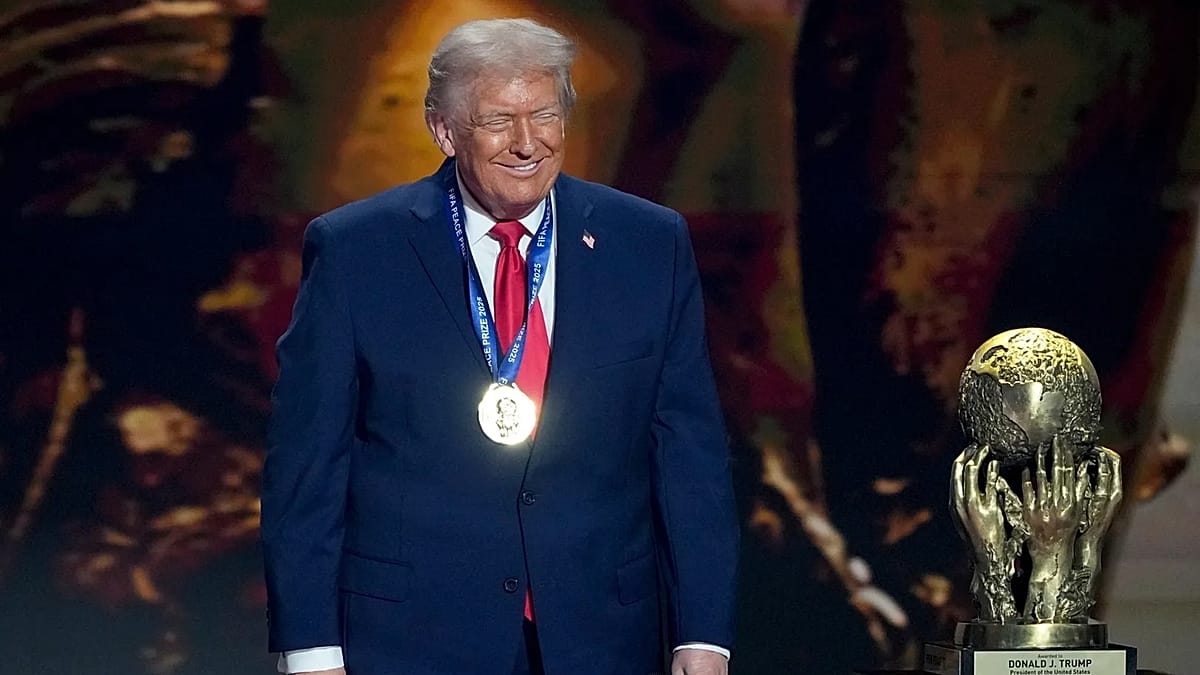
The talks on the Trump Nobel Peace Prize are not just for academics; they are also affecting the way people think, the news, and political strategy. For Trump fans, the discussion was another sign of success in a time when the country is very divided along party lines. Critics were worried that the idea of giving the award would make the Peace Prize less meaningful.
The argument brings up a bigger question about society: what do we want from leaders when it comes to peace? Is it the brave effort to start a conversation, even if it doesn’t go well? Or is it the attainment of enduring, verifiable, and comprehensive conflict resolutions? The Trump Nobel Peace Prize argument doesn’t have one right answer; instead, it shows different ideas about peace, power, and how international diplomacy works.
Table: Important diplomatic talks that have to do with the Trump Nobel Peace Prize debate
| Diplomatic Event | Description | Relevance to Trump Nobel Peace Prize Discussion |
|---|---|---|
| North Korea Summits (2018–2019) | Trump met with Kim Jong-un to negotiate nuclear de-escalation | Cited as unprecedented engagement, though without final agreement |
| Abraham Accords (2020) | Normalization between Israel and Arab states | Highlighted as a major peace initiative |
| Middle East Diplomacy | Various engagements in the region | Mixed reviews on impact and long-term peace outcomes |
| Afghanistan Policies | Negotiations for U.S. troop withdrawal | Debate over outcomes related to stability and peace |
This table shows some of the most important diplomatic events that are part of the discourse around Trump’s Nobel Peace Prize. Each event has a complicated legacy, with supporters and critics giving different views on how it helped bring about peace.
Responses from the US and other countries
People in the US often had strong opinions about the idea of giving Trump a Nobel Peace Prize. Supporters exploited the story to mobilize people around it, while opponents said it was just politically influenced praise and not a true reflection of contributions to peace. Responses from other countries were also varied. Some leaders commended outreach attempts, while others were unsure of how long particular diplomatic measures would persist.
In academic circles, experts contested whether direct participation without significant follow-through might be regarded as peace-building. Some people said that starting a conversation in a long-standing issue is a step forward, while others said that peace should be measured by results, not gestures.
Table: Pros and Cons of the Trump Nobel Peace Prize
| Position | Core Argument | Illustrative Points |
|---|---|---|
| For | Recognition of diplomatic initiatives | Unprecedented summits and normalization agreements |
| For | Broadened global engagement | Changed tone of U.S. interactions in certain regions |
| Against | Lack of enduring peace outcomes | No binding treaty or full conflict resolution |
| Against | Controversial domestic policies | Policies seen as inconsistent with peace criteria |
This table summarizes the main points made by both sides in the discussion about Trump’s Nobel Peace Prize. Each stance is based on a distinct understanding of peace and political leadership.
Long-term Effects and Legacy
Future historians and diplomats will probably look at the long-term effects of the Trump Nobel Peace Prize discussion. Time will be a key role in deciding if early diplomatic engagement leads to future breakthroughs or is just a symbolic moment with no lasting effect, as it is with many peace efforts in the contemporary era.
Supporters hope that the new ways of getting people involved, even if they aren’t flawless, will encourage future leaders to use diplomacy and talk to each other. Critics say that sustainable peace is still out of reach without deals that give people real advantages.
Conclusion: Thoughts on Peace and Acknowledgment
The Trump Nobel Peace Prize debate is a unique mix of diplomacy, how people see leaders, political stories, and the basic need for peace in a world full of war. People have strong opinions about whether or not Donald Trump earned a Nobel Peace Prize. This shows that there are bigger questions about how society defines and rewards peace.
Peace is not a fixed point; it is a process that involves communication, compromise, and sometimes hard choices. The Nobel Peace Prize is meant to recognize this process. The Trump Nobel Peace Prize debate encourages us to critically examine the actions that significantly promote peace and if acknowledgment should emphasize audacious gestures, enduring results, or a combination of both.
To really understand this topic, you need to think about peace as a philosophy, a practice, and something that everyone wants. The ongoing discussion regarding the Trump Nobel Peace Prize will continue to be an important example of how international diplomacy and the search for peace have changed over time.
Read More:- Groww Share Price Today: Trends, Analysis & Market Insights