

Introduction
There are numerous mysteries in the realm of ancient temples, but the sanctuary in 28 Years Later: The Bone Temple is one of the most mysterious. This temple has been a source of fascination for archaeologists, historians, and adventurers for decades. It is hidden deep in impenetrable woodlands and on dangerous terrain. The Bone Temple story is more than just a story about art and architecture; it’s also a story about survival, mystery, and spiritual meaning.
Where the Bone Temple came from
The temple’s beginnings are not well known. Researchers think that a civilization that practiced both spiritual and ceremonial activities built it more than three hundred years ago. The temple got its creepy reputation because it was built using bones, which was thought to revere ancestors and keep them safe from evil spirits.
Explorers wrote about the legend of the Bone Temple in a series of diaries in the late 1900s. In these stories, the temple is portrayed as a maze of stone hallways, detailed carvings, and rooms where bones were placed in artful ways to make symbolic shapes.
| Year | Significant Event | Notes |
|---|---|---|
| 1703 | Temple Construction | Believed to be completed over 5 years |
| 1950 | First Recorded Exploration | Early explorers documented skeletal motifs |
| 1995 | Archaeological Survey | Initial modern studies conducted |
| 1998 | Restoration Efforts | Partial preservation undertaken |
| 2023 | New Findings | Hidden chambers uncovered |
Finding out about this temple’s terrible past showed that the culture combined life, death, and spirituality in deep ways. 28 Years Later: The Bone Temple is different from other temples in that it shows a mix of religion and death. It shows a civilization that honored its ancestors while also facing death head-on.
The Architecture of Death and Religion
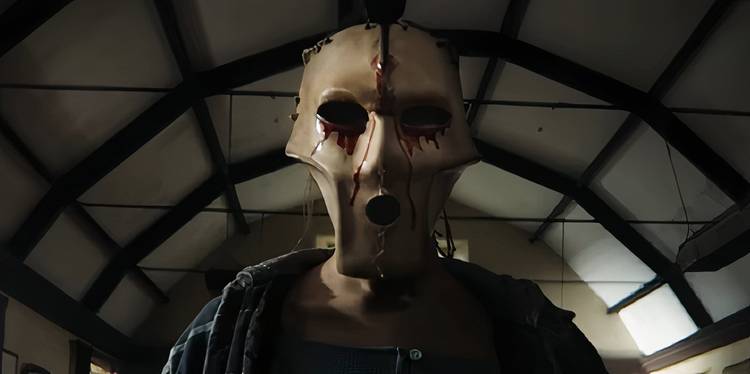
The Bone Temple, which is 28 years old, is different from other old buildings since it has a spooky look and advanced architecture. The temple is made up of several rooms that are connected by small hallways, and all of them have skeletons on them. These designs were more than just pretty; they were reminders that life is short and that it’s important to think about your spiritual life.
The temple’s main hall is especially impressive. The bones of respected leaders were arranged in complex patterns here, and sculptures of mythical stories around them. Some scholars think that these arrangements were supposed to help people on a spiritual journey from life to death and maybe even to reincarnation.
| Architectural Feature | Description | Significance |
|---|---|---|
| Central Hall | Bone arrangements in geometric patterns | Spiritual guidance for visitors |
| Outer Corridors | Narrow passageways with carvings | Symbolize life’s path and trials |
| Ritual Chambers | Small rooms with altars | Sites for ancestral ceremonies |
| Observation Tower | Elevated platform | Overlooks temple grounds, spiritual meditation |
Experts have been interested in this mix of death symbols and spiritual design for decades. The materials used—human bones—show that this culture didn’t fear death; instead, they wanted to honor and understand it through ritualized expression.
Finding it Again and Modern Interest
28 Years Later: The Bone Temple has been getting increasing attention in recent years as explorers and historians try to learn more about its secrets. The title “28 Years Later” refers to a fresh expedition that took place almost thirty years after the first investigations in the 1990s. This trip uncovered secret rooms, lost writings, and proof of ceremonies that had never been seen before.
The rediscovery got people all over the world interested. Researchers found additional sculptures that show the temple was a place where both spiritual and political activities took place. The results suggest that the temple may have been a venue where major events, such as those connected to succession and ancestor worship, took place.
Cultural Importance
The Bone Temple is very important to the culture. It shows how religion, death, and social class worked together in the civilization that produced it. Local tales believe that the spirits of those whose bones were utilized still guard the temple, and many travelers report an eerie feeling of being watched while visiting its rooms.
People thought that the rituals done in the temple were more than just ceremonies; they were thought to keep the community’s spiritual life going. Using bones was a way to connect the past and the present, making a holy bond across generations.
The Stories That Scare the Temple

As time went on, many stories about the temple came to be. One well-known narrative is about a high priest who was thought to have found the key to living forever in the temple’s inner sanctum. Some people say that a guardian spirit only lets the deserving enter through the temple without any problems.
Even though people are skeptical now, the stories about 28 Years Later: The Bone Temple live on. Explorers have seen strange lights, heard whispers, and experienced things that can’t be explained. This has led to speculation about paranormal activity connected to the temple’s spiritual energy.
The Temple in the News
People outside of academia are also interested in the Bone Temple. Documentaries, books, and articles have all written about its mysteries, typically focusing on how scary and interesting the location is. The temple’s portrayal in the media has helped people learn more about its historical significance and has sparked attempts to protect its culture.
But most of the time, people have only talked about how the temple looks, such how creepy and beautiful the bone arrangements and detailed carvings are, instead of the bigger picture of the society that built it.
Archaeological Insights
Archaeological research on 28 Years Later: The Bone Temple has uncovered significant insights into construction methodologies and social organization. For example, the use of bones was not random. Researchers discovered indications of ritualized positioning and symbolic orientation, implying that the builders possessed an advanced comprehension of both spiritual and structural design.
Chemical tests on the bones show that they were carefully preserved, which suggests that the people who built the temple cared about the long life of these important items. Also, inscriptions on walls provide us rare looks into how people spoke, how they governed, and how they practiced their religion at the time.
Problems with Preservation
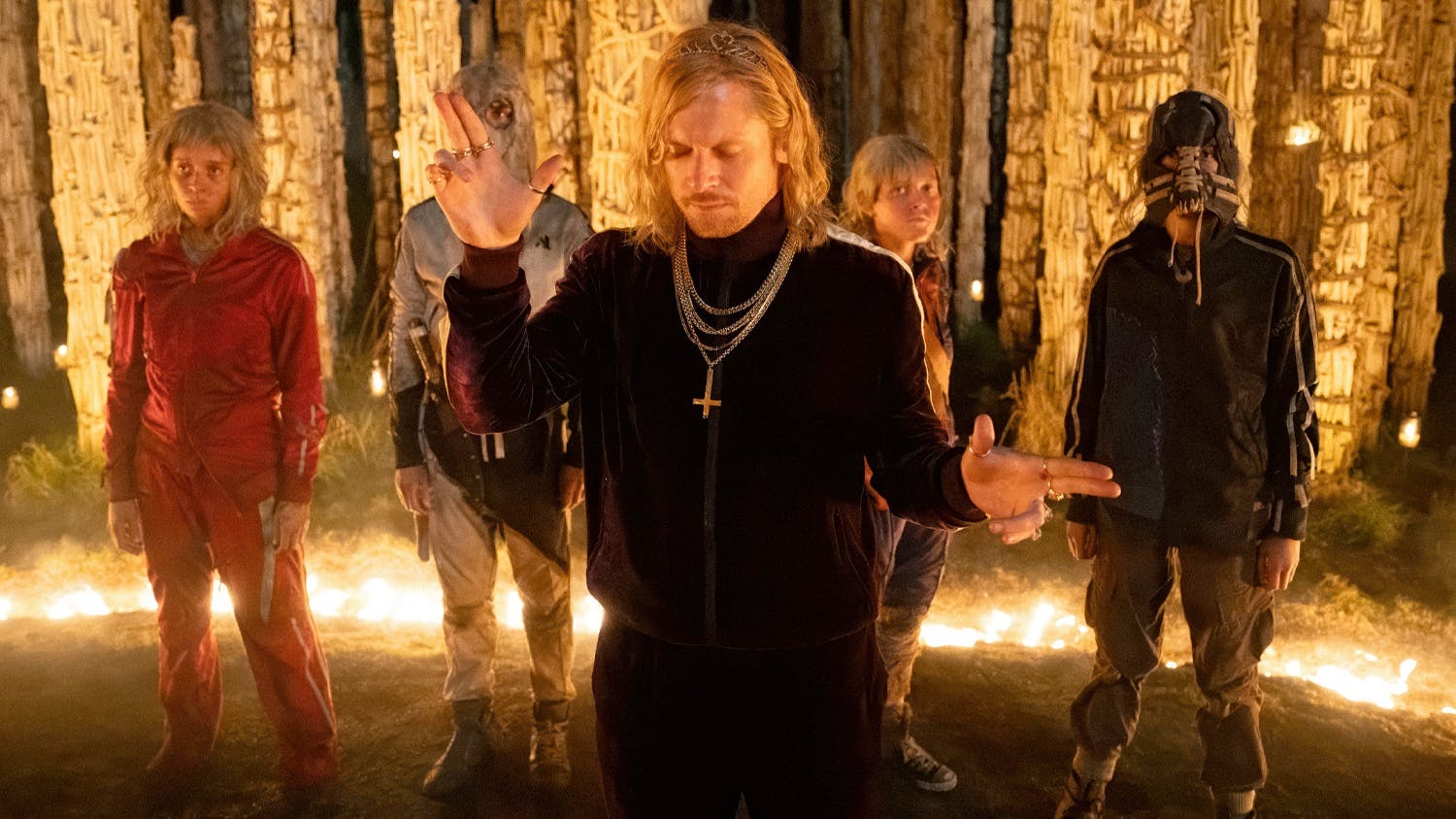
The Bone Temple is hard to keep up with 28 years later. The temple is made of organic materials, which makes it more likely to rot, and it is hard to get to because it is so far away. Conservationists have talked about the moral issues that come up while preserving things, especially when it comes to human remains.
Even though there are problems, people are still working to protect the temple. Researchers use modern tools like 3D scanning and environmental controls to document and stabilize the structure while keeping it as close to its original shape as possible.
The Journey of the Spirit
People say that going to the temple changes them. Travelers say that walking through its hallways feels like wandering between life and death. The way the bones are arranged on purpose, the low light, and the detailed carvings all make you feel amazement and think about yourself.
Local guides stress the spiritual importance of 28 Years Later: The Bone Temple and tell people to treat the site with respect. Many people say that a quiet moment of thought in the center hall helps them feel closer to their ancestors and understand death better.
Comparisons around the world
The Bone Temple is a unique example of a larger worldwide trend in which people incorporate death into sacred sites. There are similar buildings throughout Europe, Asia, and South America where human remains are used to honor ancestors or teach spiritual lessons.
But hardly many movies have the same mix of art, ritual, and cultural continuity as 28 Years Later: The Bone Temple. It is a unique example of how people deal with the mysteries of life and death because of its long history and the stories that have survived.
| Region | Temple Example | Similarities | Differences |
|---|---|---|---|
| Europe | Sedlec Ossuary | Use of bones in decoration | Smaller scale, less ritual significance |
| Asia | Catacomb Temples | Spiritual symbolism | Mostly burial sites, not ritualized chambers |
| South America | Chauchilla Cemetery | Ancestor reverence | Bones preserved but not architecturally integrated |
| Africa | Royal Tombs | Ritualistic importance | Rare use of bones in architecture |
In conclusion
28 years later, the Bone Temple is still one of the most interesting places where death, spirituality, and art come together. Its haunting beauty and complicated architecture still draw in both tourists and researchers. The temple is a strong reminder that people have always tried to comprehend and honor death, leaving behind legacies that last for hundreds of years.
The narrative of the temple isn’t over yet. With each expedition, additional layers of history are uncovered. This lets the world see the amazing artistry, spirituality, and cultural richness that are hidden in 28 Years Later: The Bone Temple.
Read More:- J Cole Basketball Journey: Life, Passion, and Impact on the Court