
Rwanda has built a reputation as one of Africa’s most carefully run wildlife destinations, and nowhere is that clearer than in its great ape tourism. Two species of great ape live within its borders: the mountain gorilla in the volcanic northwest, and the eastern chimpanzee in the rainforests of the south and west. A Rwanda great ape safaris brings these two experiences together in a country small enough that you can see both in under a week.
This guide focuses on the practical side of the journey: how a great ape safari in Rwanda is structured, how the two experiences differ, what to budget, when to go, and how to travel in a way that helps the animals.
What Is a Great Ape Safari?
A Rwanda great ape safaris is a trip built around seeing our closest living relatives in the wild. In Rwanda that means:
- Gorilla trekking in Volcanoes National Park
- Chimpanzee tracking in Nyungwe National Park, and in the smaller Gishwati-Mukura National Park
Unlike a conventional savanna safari, you do not scan open plains from a vehicle. You walk into forest with rangers and trackers, and the animals are found on foot. The pace is slower, the setting is more intimate, and the experience tends to be emotional rather than simply visual.
Most itineraries add other activities around the apes, such as golden monkey tracking, a canopy walk, cultural visits or a stay at Akagera National Park for classic big game. That variety is one of Rwanda’s strengths.
The Gorilla Experience in Volcanoes National Park
Setting
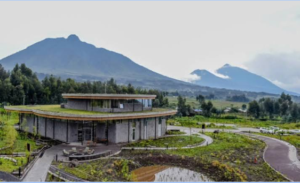
Volcanoes National Park lies in the Virunga Massif, a chain of dormant volcanoes shared with Uganda and the Democratic Republic of Congo. The park sits near the town of Musanze, roughly two hours by road from Kigali. Terrain moves from farmland through bamboo to dense montane forest and, higher up, open alpine slopes.
How a Trek Works
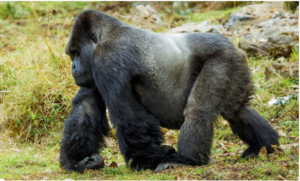
You begin at park headquarters with a briefing. Visitors are divided into small groups and matched with a habituated gorilla family, with rangers considering fitness and preference where possible. Trackers who have been following the families since dawn radio the gorillas’ location, and your group follows.
Time on the trail varies widely. Treks can last between 90 minutes and 6 hours, depending on where your family has moved. Once you reach them, you spend one hour in their company, observing from a short distance while rangers manage the encounter. dumaexplorer
Odds of Success
Sightings are very reliable. Across Uganda and Rwanda, trekkers see gorillas on roughly 95% to 99% of treks. dumaexplorer
The Chimpanzee Experience in Nyungwe and Beyond
Nyungwe National Park
Nyungwe is one of Africa’s oldest montane rainforests, and it is a very different environment from the volcanoes. The forest is tall, humid and layered, and it supports a long list of primates alongside the chimpanzees, including large troops of colobus monkeys.
How Tracking Works
Chimpanzee tracking often starts before dawn. Trackers locate the apes near their night nests, and your group follows as they wake and begin to feed and travel. Chimpanzees move fast, climb high and cover long distances, so the experience is less predictable than gorilla trekking. Some mornings are spent mostly listening to distant calls and then being rewarded with a close encounter. That uncertainty is part of the appeal.
Gishwati-Mukura
Gishwati-Mukura National Park protects forest fragments that were heavily degraded and are now recovering through community-led restoration. Chimpanzees live here in smaller numbers, and the park sees far fewer visitors, which suits travelers who want a quieter experience.
Gorillas and Chimpanzees Compared
| Feature | Mountain Gorillas | Eastern Chimpanzees |
| Where in Rwanda | Volcanoes National Park | Nyungwe, Gishwati-Mukura |
| Habitat | Bamboo and montane forest, volcanic slopes | Tall rainforest and restored forest fragments |
| Behavior | Calm, ground-based family groups | Fast, vocal, highly mobile communities |
| Encounter style | Predictable, one hour once found | Variable, depends on locating them |
| Typical effort | Moderate to strenuous | Moderate, often early starts |
| Permit cost | Highest in Rwanda | Considerably lower |
Together, they offer a fuller picture of great ape behavior than either would alone.
Planning Your Rwanda Great Ape Safari
Permits and Costs
Permits are the biggest fixed cost. A Rwanda gorilla permit is USD $1,500 per person, issued through the Rwanda Development Board, and it covers one hour with a gorilla family, park entry and ranger services. Chimpanzee tracking permits cost far less. Rates can change, so confirm them with a licensed operator before booking. dumaexplorer
Beyond permits, a realistic budget includes:
- Accommodation: from comfortable mid-range lodges to high-end eco-lodges
- Ground transport and a driver-guide: Rwanda’s good roads make private vehicles easy to arrange
- Meals and drinks: often included in lodge rates
- Extra activities: golden monkey tracking, canopy walkway, cultural visits
- Porters and tips: porters are recommended and supported by local communities
- Visa, insurance and flights: international flights land in Kigali
How Far Ahead to Book
Permit numbers are limited each day. Rwanda recommends booking 3 to 6 months in advance, particularly for the dry months and holiday periods. dumaexplorer
Age and Fitness
The minimum age for gorilla trekking is 15. You do not need to be an athlete, but you should be able to walk for several hours on steep, muddy ground at altitude. Operators can often request a family that suits your fitness, and porters are available to carry bags and offer a steadying hand. dumaexplorer
Sample Great Ape Itineraries
4 Days: Gorilla Focus
Arrive in Kigali, drive to Musanze, trek gorillas on day two, and enjoy a rest or cultural visit on day three before returning to Kigali. This fits travelers who have limited time.
6 Days: Gorillas and Golden Monkeys
Add golden monkey tracking, which is shorter and easier than gorilla trekking, plus a visit to the Karisoke research area or a village experience.
8 Days: Both Great Apes
Spend the first part in Volcanoes for gorillas and golden monkeys, then travel to Nyungwe for chimpanzees, colobus monkeys and the canopy walkway. This is the classic Rwanda great ape safari.
10 Days: Great Apes and Big Game
Extend the above with two nights in Akagera National Park for savanna wildlife, and finish with a relaxing stay on the shores of Lake Kivu.
Where time allows, travelers sometimes pair Rwanda with a Uganda gorilla trek for a broader comparison, though this involves cross-border logistics and a different permit system.
When to Go
Great apes can be seen throughout the year. No single month guarantees a better gorilla encounter, so timing is more about comfort and crowds than wildlife. dumaexplorer
- June to September: The main dry season, with firmer trails and the highest demand.
- December to February: A shorter dry period with generally good conditions.
- March to May and October to November: The rainy seasons. Trails are muddier, but visitors are fewer, and some lodges lower their rates.
Mountain weather changes quickly, so pack rain gear whatever the month.
What to Pack
- Waterproof hiking boots with good grip
- Long trousers and long-sleeved tops in neutral colors
- Lightweight gardening gloves for steadying yourself on vegetation
- A waterproof jacket and warm layer
- Hat, sunscreen and insect repellent
- A camera suited to low light (flash is not permitted)
- Binoculars for monkeys and birds
- A small daypack, with a porter to help carry it
Rules That Protect the Apes
Great apes share most of their DNA with us, and that makes them vulnerable to human illnesses. Rwanda’s rules are strict for good reason:
- Stay healthy. Visitors with coughs, colds or other contagious illness may be refused entry.
- Keep your distance. Maintain the minimum distance set by your guide, and do not approach the animals.
- No touching or feeding. If a gorilla approaches you, stay calm and follow ranger instructions.
- Keep voices low and avoid sudden movements.
- Do not litter, and carry out everything you bring in.
- Wear a mask if requested.
These rules help keep the animals safe and the tourism model sustainable.
Conservation and Community Impact
Rwanda’s great ape tourism is built on the idea that protecting wildlife should benefit people. Permit revenue funds anti-poaching patrols, veterinary monitoring and park management, and part of it is shared with communities near the parks for schools, clinics, water projects and cooperatives. Many lodges employ local staff and support reforestation and conservation projects.
To maximize your positive impact, choose operators and lodges that:
- Hire and train local guides and staff
- Source food and supplies locally
- Contribute visibly to community or conservation programs
- Follow park regulations to the letter
Your travel choices, as much as your permit, shape the outcome for the animals and the people who live alongside them.
Conclusion
A Rwanda great ape safari is compact, well organized and unusually rewarding. Mountain gorillas in the volcanoes and chimpanzees in Nyungwe offer two distinct ways of meeting our closest relatives, and Rwanda’s small size means you can experience both without long, tiring transfers. Plan early, prepare for the trails, respect the rules and choose an operator who invests in conservation and communities. If you do, you will come away with an experience that is not only unforgettable but also a real contribution to the survival of these remarkable animals.
Key Takeaways
- Rwanda is home to two great ape species: mountain gorillas and eastern chimpanzees.
- Volcanoes National Park is the place for gorillas, and Nyungwe and Gishwati-Mukura are the places for chimpanzees.
- A gorilla permit costs $1,500 per person and covers one hour with the animals; chimpanzee permits cost considerably less.
- Gorilla treks last roughly 90 minutes to 6 hours, with success rates of about 95% to 99%.
- The minimum age for gorilla trekking is 15, and permits should be booked 3 to 6 months ahead.
- Great apes can be seen year-round, with June to September and December to February generally drier.
- Strict health and distance rules, plus community-focused operators, keep the model sustainable.
Frequently Asked Questions
- Which great apes can I see in Rwanda?
Mountain gorillas and eastern chimpanzees. Rwanda has no bonobos or orangutans. - Where can I see gorillas in Rwanda?
In Volcanoes National Park, near Musanze, about two hours from Kigali. - Where can I see chimpanzees in Rwanda?
Mainly in Nyungwe National Park, with a smaller population in Gishwati-Mukura National Park. - How much does a Rwanda gorilla permit cost?
$1,500 per person for foreign visitors. Check with the Rwanda Development Board or a licensed operator for current rates. - How long do I spend with the gorillas?
One hour, once your group has reached the family. - Is chimpanzee tracking easier than gorilla trekking?
Not necessarily. Chimpanzees move quickly and sightings are less predictable, though the permit is cheaper and the hikes can be shorter. Early starts are common. - How many days do I need?
Four days for gorillas only, around eight days for both gorillas and chimpanzees, and ten days if you add Akagera and Lake Kivu. - Can children take part?
Not in gorilla trekking, as the minimum age is 15. Other activities may have different age rules. - What is the best time to go?
Year-round. June to September and December to February are generally drier, while the wetter months offer fewer visitors and often lower rates. - Is Rwanda safe for tourists?
Rwanda is widely regarded as safe and well organized for travelers. Use a licensed operator and check your government’s current travel advice before you go.
Note: Permit prices, park rules and fees change. Treat the figures here as planning estimates and confirm current details with the Rwanda Development Board or a licensed operator before booking.
I can also put this into a Word doc or a ready-to-publish web page if you’d like.