

Introduction
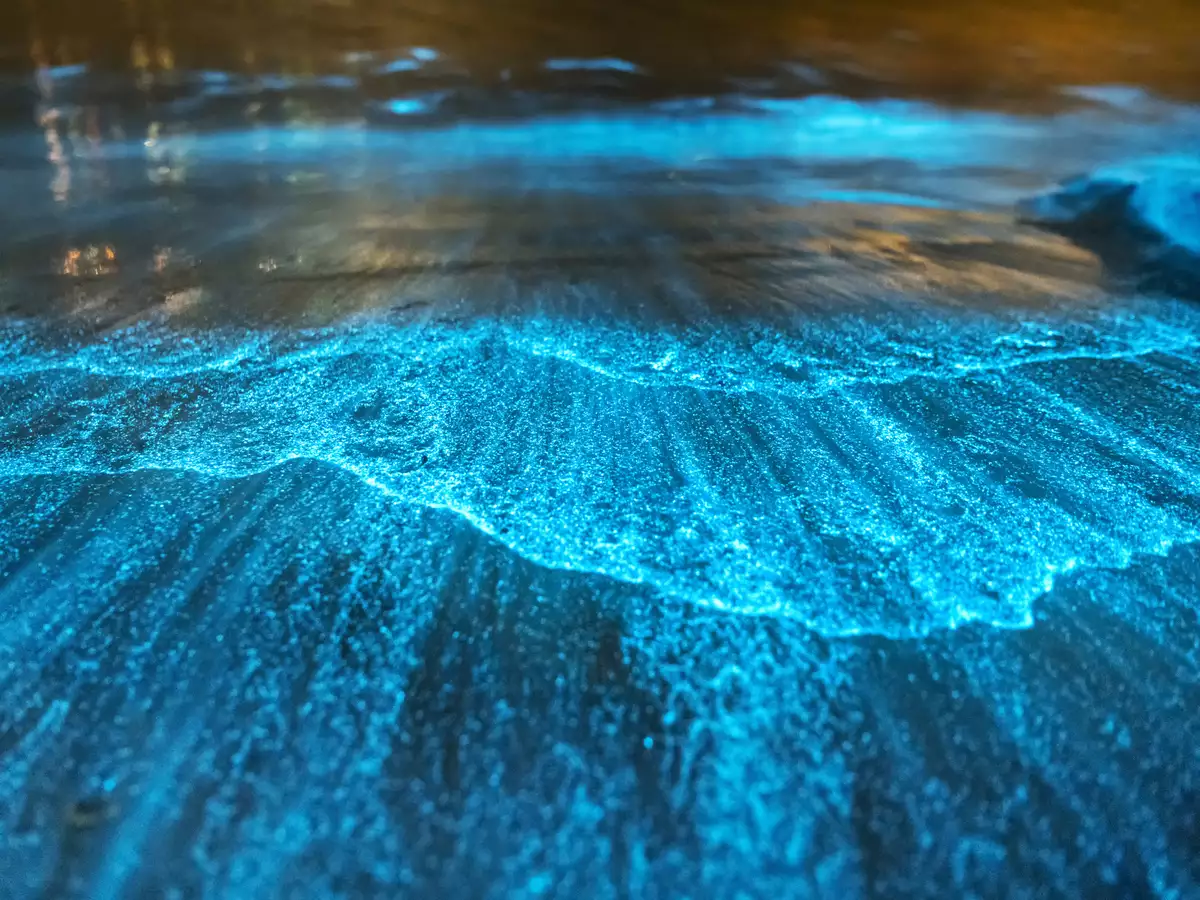
Bioluminescence beaches are among nature’s most mesmerizing wonders, attracting travelers and nature enthusiasts from around the world. These unique coastal phenomena are defined by the glowing effect of the waves at night, creating a magical scene that feels straight out of a fairy tale. The term “bioluminescence beach” refers to beaches where certain microorganisms, primarily plankton, emit light in response to movement, resulting in an ethereal glow that lights up the shoreline. This captivating natural spectacle has become a bucket-list experience for travelers seeking both beauty and wonder in nature.
The Science Behind Bioluminescence Beaches
The magical glow of a bioluminescence beach is caused by tiny marine organisms known as dinoflagellates. These microscopic plankton produce light through a chemical reaction that involves the enzyme luciferase and the molecule luciferin. When disturbed by waves, swimmers, or currents, these organisms emit a bright, blue-green light. This bioluminescence is essentially a natural defense mechanism designed to startle predators or attract attention to predators of the attackers.
The glow can vary in intensity depending on several factors, including water temperature, salinity, nutrient levels, and the concentration of dinoflagellates in the water. In some locations, a dense population of these organisms creates an intense, continuous glow that stretches for hundreds of meters along the shoreline, transforming a regular beach into a spectacular natural light show.
Famous Bioluminescence Beaches Around the World
Some bioluminescence beaches have gained global fame for their consistent and intense glow. One of the most renowned is Mosquito Bay in Vieques, Puerto Rico, often referred to as the brightest bioluminescent bay in the world. Here, visitors can kayak through glowing waters, experiencing the surreal effect of every paddle stroke creating shimmering trails of light.
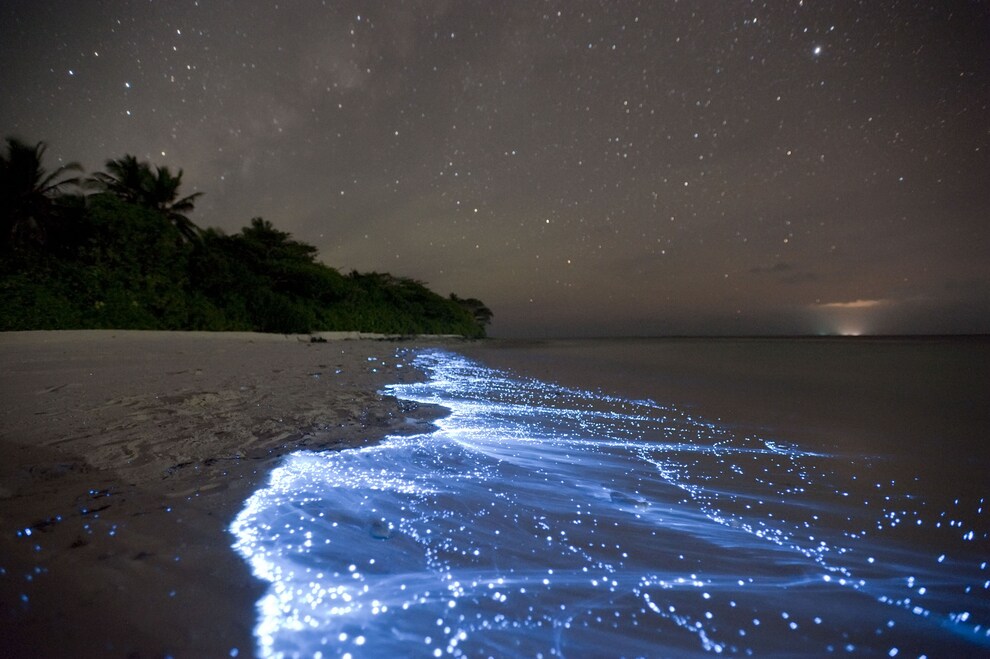
Another famous destination is the Maldives, where bioluminescence beaches light up during specific times of the year. On these shores, the glowing waves create a romantic and magical atmosphere, making it a favorite for honeymooners and photographers. Similarly, the beaches in the Philippines, such as the ones in Palawan and Mindoro, offer breathtaking glimpses of glowing waters, drawing travelers eager to witness nature’s light show.
In India, the beaches of Kerala and Andaman Islands occasionally exhibit bioluminescence, particularly during the monsoon season when nutrient-rich waters trigger plankton blooms. The phenomenon can be fleeting but leaves an unforgettable impression on those fortunate enough to witness it.
Best Time to Visit a Bioluminescence Beach
Timing is crucial when planning a visit to a bioluminescence beach. These glowing events typically occur during warmer months when plankton populations are at their peak. Additionally, a dark, moonless night increases visibility and enhances the glowing effect. The absence of artificial light, such as from nearby towns or resorts, is also essential to fully appreciate the natural luminescence.
For example, in Puerto Rico, the months of July through October often offer the most vibrant displays at Mosquito Bay. In the Maldives, bioluminescence is usually observed during the warmer months when plankton density increases. Checking local guides and consulting experts on marine life can help travelers identify the best times for a truly magical experience.
Experiencing a Bioluminescence Beach
Visiting a bioluminescence beach is a sensory adventure. Imagine walking along the shore as the gentle waves lap at your feet, each ripple illuminating with an otherworldly glow. Swimming in these waters creates trails of light around every movement, making it feel as though the ocean itself is alive with magic. Many tour operators offer nighttime kayaking, boat tours, or guided walks to ensure visitors safely experience the glow while minimizing disruption to the delicate ecosystem.
Photographing a bioluminescence beach can be challenging due to low light conditions, but the results are often stunning. Long exposure photography captures the luminous trails of water, creating surreal images that highlight the beauty of this natural phenomenon. For travelers who simply wish to enjoy the moment, standing at the edge of the glowing shoreline is an awe-inspiring experience that combines the serenity of the ocean with the wonder of a natural light show.
Ecological Importance of Bioluminescence Beaches
Bioluminescence beaches are not just visually stunning—they play a crucial role in marine ecosystems. Dinoflagellates, the organisms responsible for the glow, are a vital component of the ocean food chain, serving as a primary food source for small fish and other marine creatures. Their presence indicates healthy coastal waters rich in nutrients and biodiversity.
However, bioluminescent plankton populations can be sensitive to environmental changes. Pollution, climate change, and coastal development can disrupt these delicate ecosystems, reducing the frequency and intensity of the glowing displays. Protecting bioluminescence beaches ensures that this natural spectacle remains for future generations to experience.
Tips for Visiting a Bioluminescence Beach Responsibly
To enjoy a bioluminescence beach while minimizing environmental impact, visitors should follow several guidelines. Avoid using bright lights, flash photography, or loud noises that can disturb the plankton and other marine life. Stick to designated areas, follow local regulations, and use eco-friendly products such as biodegradable sunscreen to prevent chemical contamination. Respecting the natural habitat ensures that these glowing shores remain vibrant and sustainable.
The Cultural Significance of Bioluminescence Beaches
In many regions, bioluminescence beaches hold cultural and spiritual significance. Locals often view the glowing waves as symbols of life, energy, and renewal. Stories and folklore associated with these luminous shores celebrate the mysterious beauty of the natural world. In some cultures, nighttime gatherings or rituals take place on these beaches, embracing the magic of the glow as part of traditional storytelling and celebrations.
Why Bioluminescence Beaches Captivate Travelers
The appeal of bioluminescence beaches goes beyond their visual beauty. They evoke a sense of wonder, connecting humans with the marvels of the natural world. Walking along a shore that lights up with each step or swimming in water that shimmers with your movement creates a profound sense of magic and tranquility. For photographers, scientists, and nature enthusiasts alike, these beaches provide a unique opportunity to observe and document a rare and beautiful phenomenon.

Planning Your Visit
When planning a trip to a bioluminescence beach, consider the location, season, and activities available. Some beaches are best explored via kayak or small boat, while others allow for walking and swimming along the shore. Booking guided tours with knowledgeable local operators can enhance the experience, providing insights into the science and ecology behind the glow. Accommodations near these beaches often offer packages that combine nighttime tours with daytime exploration, making it easier to enjoy the full coastal experience.
Conclusion
Bioluminescence beaches are among nature’s most enchanting displays, offering a surreal nighttime experience that combines science, beauty, and ecological significance. From the glowing waters of Puerto Rico’s Mosquito Bay to the shimmering shores of the Maldives and the Philippines, these beaches captivate visitors with their otherworldly light shows. Understanding the science behind the glow, choosing the right time to visit, and experiencing the phenomenon responsibly ensures that travelers can fully appreciate the magic of a bioluminescence beach. Whether for adventure, photography, or simply awe, these luminous shores offer a once-in-a-lifetime connection to the wonders of our planet’s oceans.
Read More:- Sawan 2024 Start Date: Complete Guide to Shravan Month